
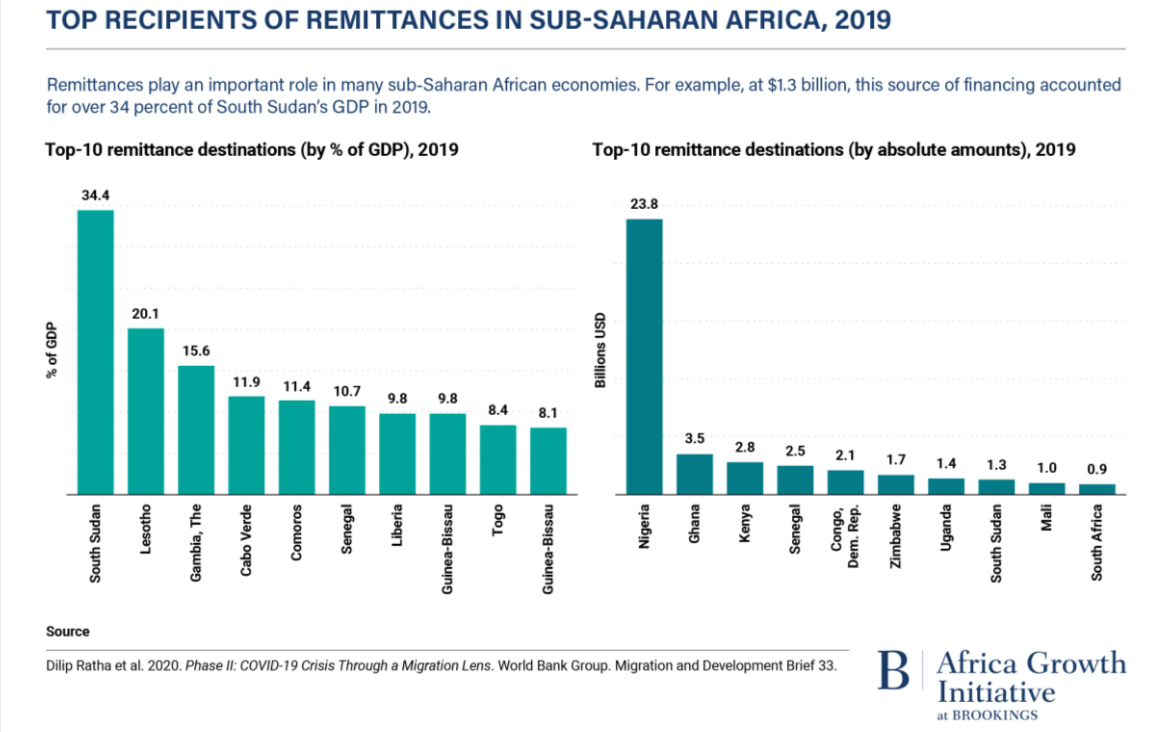
Sending money to South Sudan is a critical lifeline for millions grappling with economic instability and social upheaval. The importance of remittances cannot be overstated, as they provide essential support for families to meet their basic needs and invest in a better future.
However, amidst the challenges of limited financial infrastructure and political instability, sending money to South Sudan is fraught with obstacles.
Despite these challenges, the benefits of remittances extend far beyond individual households, contributing to poverty alleviation, economic development, and social empowerment.
Importance of sending money to South Sudan
Economic instability in South Sudan: South Sudan has faced persistent economic challenges since gaining independence in 2011. The country's economy is heavily dependent on oil revenues, leaving it vulnerable to fluctuations in global oil prices. Moreover, the legacy of decades of conflict has left South Sudan with underdeveloped infrastructure, weak governance structures, and limited access to basic services.
Impact of sending money on poverty alleviation: Remittances serve as a crucial source of income for many families in South Sudan, particularly in rural areas where livelihood opportunities are scarce. These funds help alleviate poverty by enabling households to purchase food, clothing, and other essentials. Additionally, remittances play a vital role in smoothing consumption patterns during times of economic hardship, providing a buffer against shocks such as droughts or price spikes.
Contribution to the country's development: Beyond poverty alleviation, remittances play a significant role in driving economic development in South Sudan. By injecting capital into the economy, remittances stimulate consumption and investment, thereby fueling economic growth. Remittance recipients often use these funds to start small businesses, purchase productive assets, or invest in education and healthcare, laying the foundation for long-term prosperity.
How is money sent to South Sudan today?
Sending money to South Sudan involves a variety of methods, each with its own advantages and limitations. The most common channels for sending money to South Sudan include:
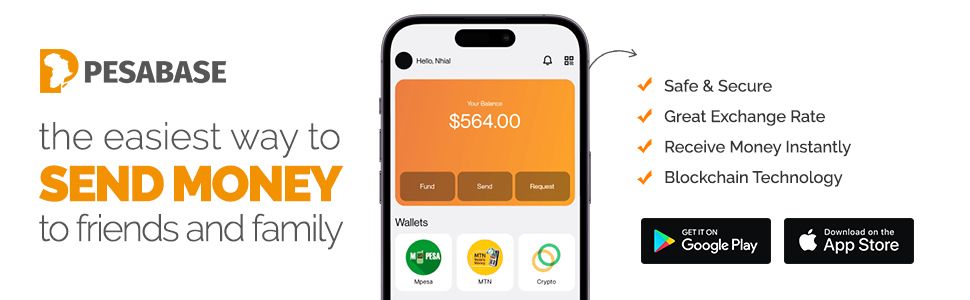
Pesabase: Via local agents and the soon–to–be–released mobile app, users can send money to South Sudan instantly and with the lowest fees anywhere. Our blockchain-based and regulated service guarantees that funds are received in full (minus the small 3% average fee, unlike the standard 6-9% fee any other channel charges).
Money Transfer Operators (MTOs): Many migrants rely on MTOs such as Western Union, MoneyGram, and Ria to send money to South Sudan. MTOs typically have a network of agent locations worldwide, making it convenient for senders to initiate transfers in person. Recipients can then collect the funds in cash from designated payout locations in South Sudan. However, reliance on cash-based transactions can pose security risks and inconvenience for recipients, especially in remote areas with limited access to banking services.
Banks: Some migrants opt to send money to South Sudan through traditional banking channels, either by initiating wire transfers or using online banking services. While bank transfers offer the advantage of speed and security, they are often more expensive than other options due to higher fees and unfavorable exchange rates. Moreover, accessing banking services in South Sudan can be challenging, particularly for individuals living in rural areas where banks are scarce.
Mobile Money Services: The proliferation of mobile technology has led to the emergence of mobile money services as a popular option for sending money to South Sudan. Providers such as MTN Mobile Money and Zain Cash allow users to transfer funds directly to recipients' mobile wallets, which can then be converted into cash or used for payments at participating merchants. Mobile money services offer the advantages of convenience, accessibility, and lower transaction costs compared to traditional remittance channels.
Informal Channels: In addition to formal remittance channels, many migrants resort to informal methods such as cash couriers or hawala networks to send money to South Sudan. While informal channels may offer lower fees and greater flexibility, they also pose higher risks of fraud, theft, and money laundering. Moreover, reliance on informal channels can undermine efforts to promote transparency, financial inclusion, and regulatory compliance in the remittance market.
Send Money With PesaBase
Fast, secure and low-cost transfers to South Sudan.
Become a PesaBase Investor
Discover the PESA token and how it powers the Pesabase ecosystem.
What problems does sending money to South Sudan encounter, both for the sender and the receiver?
- High Costs: One of the primary challenges faced by both senders and recipients of remittances to South Sudan is the high cost of transfers. Sending money through formal channels often incurs hefty fees and unfavorable exchange rates, reducing the amount received by recipients. Informal channels may charge even higher fees, particularly in regions with limited competition among service providers. High transaction costs can erode the economic benefits of remittances and deter migrants from sending money to their families in South Sudan.
- Limited Access to Formal Financial Services: Many South Sudanese migrants lack access to formal financial services, such as banks and money transfer operators, both in their host countries and in South Sudan. This limits their options for sending and receiving money, forcing them to rely on informal channels or incur additional costs for accessing formal remittance services.
Limited financial literacy and documentation requirements may further exclude vulnerable populations from accessing remittance services, exacerbating financial exclusion and inequality.
- Security Risks: Both senders and recipients of remittances to South Sudan face security risks associated with cash-based transactions and informal channels. Cash couriers may be vulnerable to theft, extortion, or violence, particularly when transporting large sums of money across borders. Similarly, recipients collecting cash payouts may be targeted by criminals or face risks associated with carrying large amounts of cash in public. Moreover, informal remittance networks may lack proper safeguards against fraud, money laundering, and terrorist financing, exposing users to legal and financial risks.
- Transaction Delays: Delays in processing remittance transactions can pose significant challenges for recipients in South Sudan, who often rely on timely receipt of funds for essential expenses such as food, rent, and healthcare. Factors such as banking hours, public holidays, and network outages may contribute to delays in fund availability, causing inconvenience and financial hardship for recipients. Regulatory requirements such as anti-money laundering checks and identity verification procedures may further prolong the transfer process, particularly for first-time senders and recipients.
- Exchange Rate Fluctuations: The volatility of exchange rates can impact the value of remittances received by recipients in South Sudan. Fluctuations in currency exchange rates, particularly in volatile or illiquid markets, can result in significant losses for both senders and recipients. Moreover, limited access to formal currency exchange mechanisms may expose users to inflated exchange rates and hidden fees, reducing the purchasing power of remittance funds and undermining their intended impact on household welfare.
In summary, while sending money to South Sudan offers a lifeline for many families, the process is fraught with challenges and risks for both senders and recipients.
Addressing these challenges requires concerted efforts by policymakers, regulators, financial institutions, and service providers to promote transparency, reduce costs, enhance security, and expand access to formal financial services.
By fostering an enabling environment for remittance flows, stakeholders can unlock the full potential of remittances to contribute to poverty alleviation, economic development, and social empowerment in South Sudan.
What are the benefits for the population when sending money to South Sudan?
Improvement in living standards: Remittances enable families in South Sudan to afford basic necessities such as food, shelter, and clothing, thereby improving their overall standard of living. In many cases, remittance funds represent a lifeline for households facing economic hardship, allowing them to weather crises and maintain a minimum level of well-being.
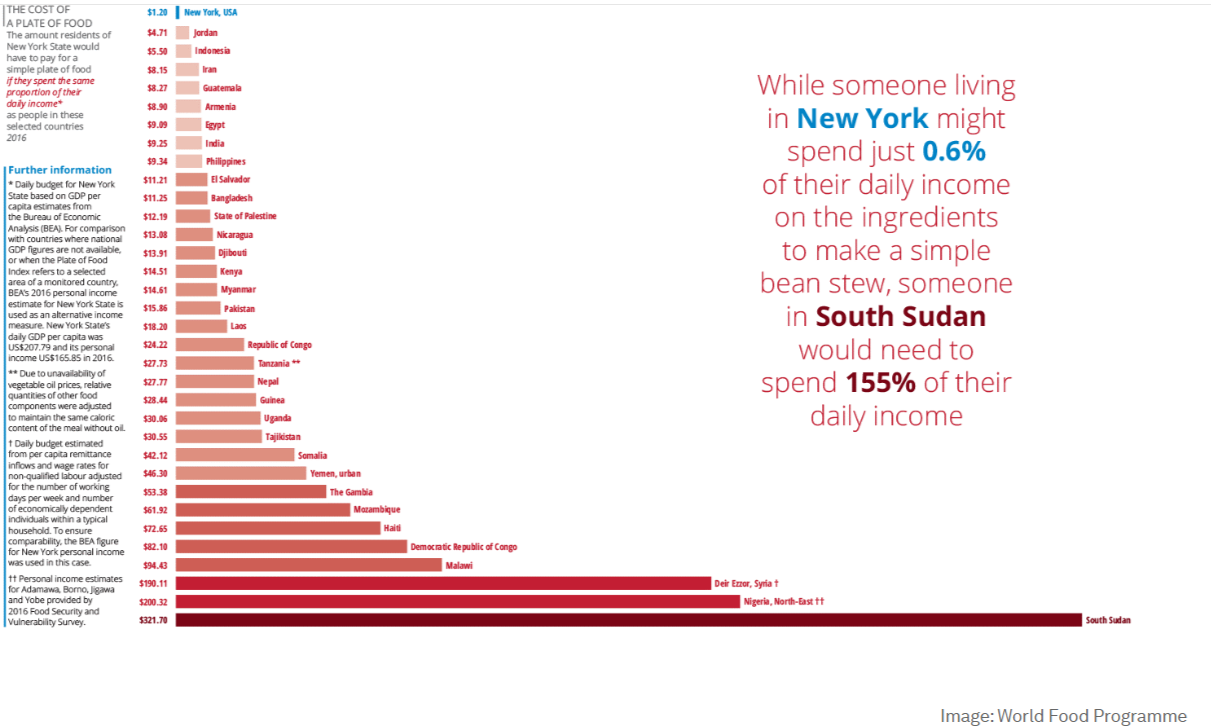
Increased access to education and healthcare: With the financial support provided by remittances, many families are able to send their children to school and access healthcare services. Education and healthcare are essential pillars of human development, enabling individuals to fulfill their potential and lead healthy, productive lives.
By investing in these areas, remittances contribute to the long-term well-being of South Sudanese citizens and the nation as a whole.
Empowerment of individuals and communities: Beyond meeting immediate needs, remittances empower individuals and communities to pursue economic opportunities and invest in their futures. By providing a steady source of income, remittances enable households to accumulate savings, build assets, and plan for the future.
Remittance recipients often play a key role in supporting extended family members and community initiatives, fostering social cohesion and resilience.
Role of remittance providers in facilitating money transfers.
Overview of different options available: Remittance providers offer a range of options for sending money to South Sudan, including banks, money transfer operators, and digital platforms. Each option has its advantages and limitations, depending on factors such as cost, speed, reliability, and accessibility. For example, banks may offer secure but expensive services, while mobile money operators may provide faster but less regulated transfers.
Importance of choosing reputable providers: When sending money to South Sudan, it is essential to choose reputable remittance providers that adhere to strict regulatory standards and prioritize customer security. This helps mitigate the risks associated with fraud, theft, and other forms of financial crime.
Reputable providers often offer additional services such as tracking tools, customer support, and risk management solutions, which can enhance the overall remittance experience.
Steps to ensure safe and efficient transfers: Senders can take several steps to ensure the safe and efficient transfer of funds to South Sudan. These include verifying the legitimacy of the remittance provider, comparing fees and exchange rates, providing accurate transaction details, and keeping track of the transfer status.
Additionally, senders should exercise caution when sharing personal or financial information and report any suspicious activity to relevant authorities.
Impact of political and social instability on money transfers
Challenges posed by conflict and corruption: South Sudan's protracted conflict and pervasive corruption pose significant challenges to the flow of remittances, jeopardizing the well-being of recipients and undermining efforts to promote economic stability and development. Conflict disrupts economic activities, displaces populations, and destroys infrastructure, making it difficult for remittance providers to operate effectively.
Corruption erodes public trust, weakens institutions, and fosters a culture of impunity, further hindering efforts to combat financial crime and ensure the integrity of money transfers.
Importance of monitoring political developments: Given the volatile political situation in South Sudan, it is crucial for remittance providers and international organizations to closely monitor political developments and adapt their strategies accordingly. This may involve adjusting service delivery models, enhancing risk management practices, or engaging with relevant stakeholders to address emerging challenges.
Proactive engagement with policymakers and regulators can help shape a conducive environment for remittance flows and promote financial inclusion and development.
Role of international organizations: International organizations such as the United Nations, World Bank, and non-governmental organizations play a vital role in supporting the flow of remittances to South Sudan. They provide technical assistance, capacity-building support, and policy advice to governments, financial institutions, and other stakeholders involved in the remittance ecosystem.
Moreover, they advocate for policies that facilitate remittance flows, promote financial inclusion, and protect the rights of migrants and their families.
By fostering collaboration and coordination among stakeholders, international organizations contribute to the resilience and sustainability of remittance flows in South Sudan.
Strategies for maximizing the impact of remittances in South Sudan

Importance of financial literacy programs: Enhancing financial literacy among remittance recipients is essential for maximizing the impact of remittances in South Sudan.
Financial literacy programs can empower individuals to make informed decisions about managing their finances, budgeting effectively, and planning for the future. They can help recipients access formal financial services, build assets, and diversify their income sources, thereby enhancing their resilience to economic shocks and promoting long-term prosperity.
Promoting microfinance initiatives: Microfinance institutions play a crucial role in expanding access to financial services in South Sudan, particularly in rural and underserved areas. By providing savings, credit, insurance, and other financial products tailored to the needs of low-income clients, microfinance institutions enable individuals and small businesses to unlock their potential and seize economic opportunities. Moreover, they promote financial inclusion, social empowerment, and community development, laying the foundation for sustainable growth and poverty reduction.
Encouraging investment in sustainable development projects: Remittances can serve as a catalyst for sustainable development in South Sudan by financing infrastructure projects, supporting small businesses, and promoting agricultural productivity.
By channeling remittance funds into productive investments, stakeholders can create employment opportunities, stimulate economic growth, and reduce dependency on foreign aid.
Moreover, they can foster social cohesion, environmental sustainability, and inclusive growth, thereby contributing to the long-term prosperity and resilience of South Sudanese communities.
How does Pesabase step to the forefront of the much needed financial revolution in South Sudan?
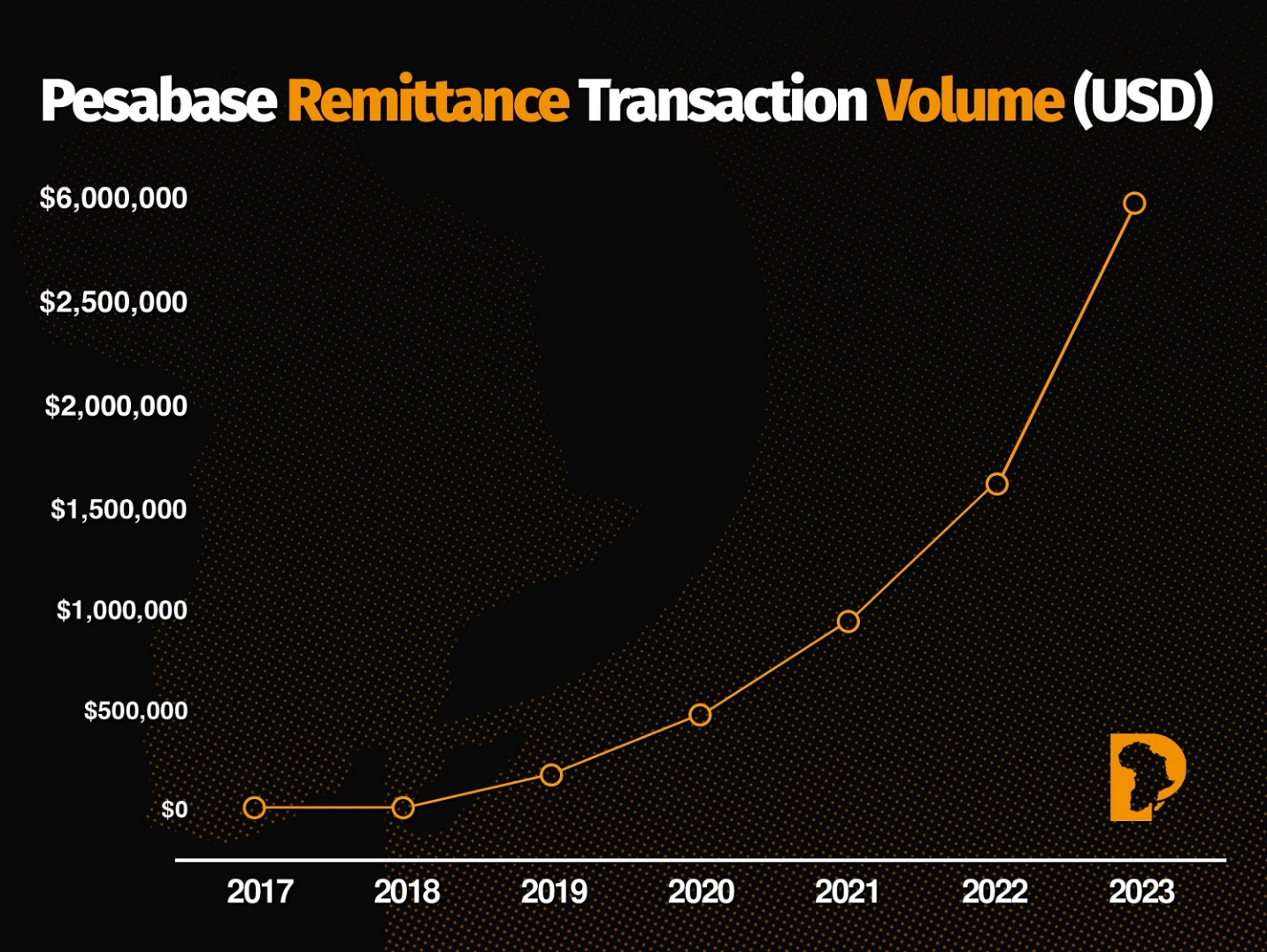
Pesabase, our blockchain-based remittance platform, is poised to revolutionize the way money is sent and received in South Sudan. By leveraging cutting-edge technology and a fully regulated framework, Pesabase aims to provide a seamless and secure solution for the local population, empowering individuals and communities to access financial services with ease.
With Pesabase, sending money to South Sudan becomes faster, more affordable, and more convenient than ever before. Through our user-friendly app or through our network of local representatives, customers can initiate transactions with just a few taps, eliminating the need for cumbersome paperwork or long waiting times. Our platform offers extremely competitive exchange rates and lowest fees anywhere (average of 3% vs current 9.5% ), ensuring that every cent sent reaches its intended recipient, thereby maximizing the impact of remittances on household welfare and economic development.
In essence, Pesabase is more than just a remittance platform; it is a catalyst for change and progress in South Sudan. By harnessing the power of blockchain technology and fostering collaboration with local stakeholders, we are transforming the way money flows in and out of the country, unlocking new opportunities and possibilities for economic empowerment and social development. With Pesabase, the future of remittances in South Sudan is brighter than ever.
Conclusion
In conclusion, sending money to South Sudan is not just a financial transaction; it is a lifeline for millions of people striving to build a better future amidst adversity. Despite the challenges posed by economic instability, limited infrastructure, and political turmoil, remittances offer hope and opportunity for individuals and communities across the country.
By addressing these challenges, maximizing the benefits of remittances, and supporting efforts to promote economic stability and development, we can help unlock South Sudan's and its people's full potential.
As stakeholders, policymakers, and advocates, we must work together to create an enabling environment for remittance flows, foster financial inclusion, and empower individuals to realize their aspirations and dreams.