
RWA & RWAfi
RWAfi in Africa: Unlocking Financial Inclusion and Investment Through Real-World Asset Finance

Introduction: What Is RWAfi?
RWAfi stands for Real-World Asset Finance, a financial model that brings traditional, tangible assets—such as real estate, agricultural produce, gold, or even infrastructure—onto blockchain networks by “tokenizing” them. Tokenization means converting rights to these real-world assets into digital tokens, which can then be bought, sold, traded, or used as collateral online.
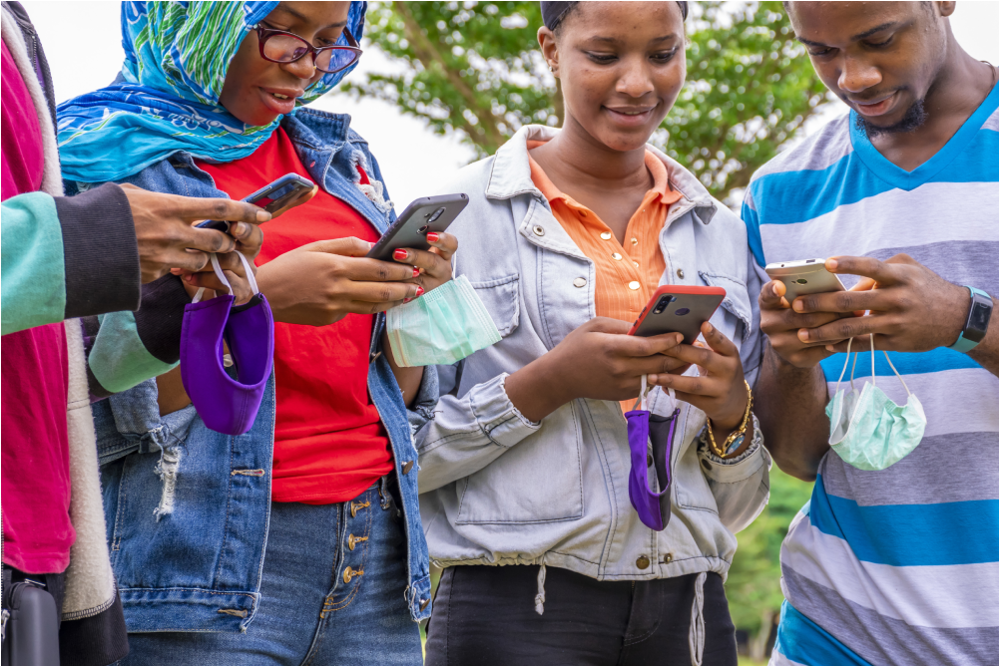
By bridging the digital and physical economies, RWAfi offers a secure, transparent, and highly scalable way for people, especially those excluded from traditional banking, to gain access to investment opportunities, earn yields, and build long-term wealth. As blockchain technology evolves, RWAfi has emerged as one of its most meaningful applications, particularly in developing regions like Africa, where access to financial infrastructure is limited but mobile phone usage is widespread.
Why RWAfi Matters in Africa
Africa has one of the world’s youngest populations, a rising rate of mobile internet penetration, and vast amounts of underutilized assets in land, agriculture, and commodities. Yet, a significant portion of its population—estimated at over 350 million—remains unbanked or underbanked. For many Africans, traditional finance systems are either too expensive, too bureaucratic, or entirely out of reach.
This is where the financial landscape of RWA in Africa has the potential to be revolutionary.
Send Money With PesaBase
Fast, secure and low-cost transfers to South Sudan.
Become a PesaBase Investor
Discover the PESA token and how it powers the Pesabase ecosystem.
Transforming Access to Finance
- Tokenizing Local Assets: RWAfi allows local communities to tokenize their real-world assets and access liquidity that was never previously available. For example, a farmer in rural Uganda could tokenize a portion of her land or crop yields and receive funding from investors, bypassing traditional banks or predatory lenders.
- Fractional Ownership: Individuals no longer need to own entire plots of land or businesses to participate in economic value creation. Fractional ownership allows many to pool small amounts of money to co-own larger, more profitable assets.
Boosting Economic Resilience in Fragile States
Countries like South Sudan, struggling with post-conflict recovery, economic instability, and low financial penetration, stand to gain significantly from RWAfi. The introduction of secure, efficient digital finance tools can:
- Reduce dependency on cash-based transactions,
- Empower citizens to send and receive remittances easily,
- Attract diaspora investment in local infrastructure and businesses.
Case study: How Pesabase is leading RWAfi in South Sudan (and Africa)
Pesabase is one of the first movers in the African RWAfi space, with a sharp focus on South Sudan. The company offers blockchain-powered solutions to simplify and reduce the cost of remittances and mobile payments in South Sudan, where banking infrastructure is minimal, and reliance on expensive remittance services is high.
Key Innovations by Pesabase:
- Blockchain-Based Transfers: Pesabase uses blockchain to cut out middlemen and speed up remittance delivery.
- Mobile Money Integration: Recognizing that mobile phones are more common than bank accounts, Pesabase enables users to send and receive funds through local mobile money platforms.
- Transparent and Trackable: All transactions are easily auditable, reducing fraud and instilling greater confidence in users.
Pesabase’s work exemplifies the early promise of RWAfi in Africa—not just in making money move faster and cheaper, but in introducing new models of ownership, investment, and financial access.
Expanded Benefits of RWAfi for the African Population
1. Wealth Creation for the Unbanked
Millions across Africa rely on informal economies where income is volatile and savings mechanisms are unreliable. RWAfi:
- Offers access to yield-generating assets,
- Encourages disciplined savings via staking and investment features,
- Enables long-term planning by opening pathways to financial products like microloans, insurance, and pensions.
2. Remittance Optimization
With Africa receiving over $50 billion in remittances annually, RWAfi solutions like Pesabase can:
- Cut remittance fees (currently averaging 8–10% in Sub-Saharan Africa),
- Speed up delivery times from days to minutes,
- Provide safer delivery routes in regions where banks are sparse.
3. Empowerment Through Ownership
In countries where land titles are disputed or undocumented, tokenized land assets recorded on immutable blockchains can:
- Create verifiable ownership records,
- Enable rural communities to access capital by using land as collateral,
- Reduce corruption and legal ambiguity around asset ownership.
4. Financial Literacy and Digital Inclusion
Engaging with digital platforms naturally builds user competence in finance, tech, and economics. With proper educational tools, RWAfi can be a gateway to:
- Digital skills training,
- Entrepreneurial activity,
- Participation in the global economy.

Expanded Challenges for Businesses and Populations
While the integration of Real-World Asset (RWA) Finance through blockchain technology holds immense promise for unlocking capital and democratizing investment across Africa, its implementation faces numerous structural, regulatory, and socio-economic challenges. Both businesses and local populations must navigate these complexities to fully benefit from the opportunities that tokenizing real-world assets—such as real estate, commodities, or infrastructure—can offer.
For businesses, one of the foremost challenges is the lack of regulatory clarity. Many African countries are still in the early stages of developing frameworks for digital assets and decentralized finance (DeFi). This legal ambiguity can deter institutional investment and stall the development of infrastructure required to support tokenization.
Businesses also grapple with interoperability issues—many blockchain platforms are not seamlessly integrated with existing financial systems, which hinders scalability and user adoption. Furthermore, onboarding local stakeholders such as banks, land registries, or legal institutions into blockchain-based systems remains a formidable task due to legacy systems and bureaucratic inertia.
From the population’s perspective, digital literacy is a significant barrier. While smartphone penetration is increasing, a substantial portion of the population lacks the technical knowledge to understand or trust blockchain-based financial services. This creates a divide where the benefits of RWA Finance may remain accessible only to a small, tech-savvy minority. Moreover, the limited availability of reliable internet and digital infrastructure in rural areas can exclude large segments of the population from participating in tokenized asset markets. Issues of identity verification and property rights also persist, making it difficult to tokenize assets like land or livestock that are not formally registered.
Trust remains a cross-cutting concern. Years of exposure to scams, fraud, and unstable financial systems have made many Africans wary of new technologies, especially those involving digital currencies or remote transactions. To counter this, education, transparency, and community-led approaches are essential to foster trust and drive adoption.
Despite these hurdles, the long-term potential of RWA Finance in Africa is significant. If addressed collaboratively—with policy support, technological innovation, and grassroots inclusion—these challenges can be transformed into pathways for inclusive economic growth.
Conclusion: A Financial Revolution in Motion
RWAfi represents more than a new technology—it’s a chance to radically rewrite financial access across Africa. By anchoring digital finance to real-world assets, RWAfi creates a bridge for millions to invest, grow, and secure their futures in ways previously unimaginable.
South Sudan, through innovators like Pesabase, is emerging as a surprising but powerful leader in this space. Their success illustrates how targeted RWAfi deployment can work even in some of the world's most financially underserved environments.
For RWAfi to succeed continent-wide, stakeholders must combine robust technology with deep community engagement, supportive regulation, and accessible design. If done right, the RWAfi movement could catalyze Africa’s rise as a globally connected, economically empowered digital economy.